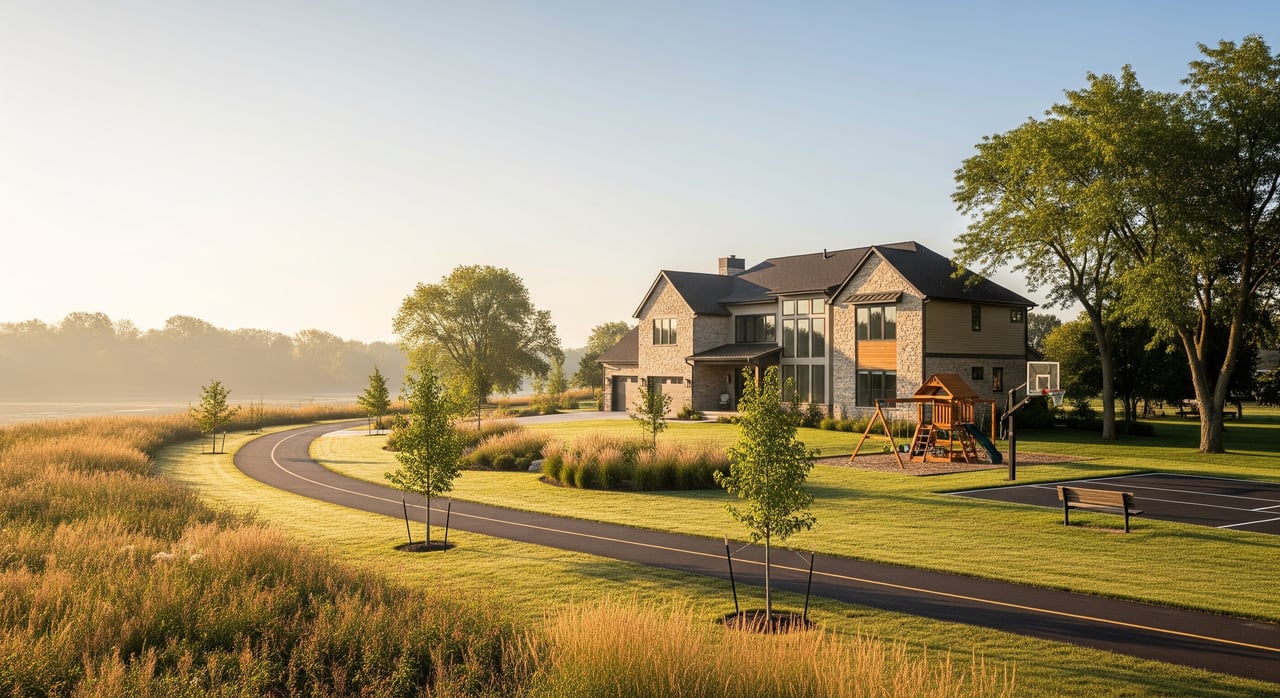
Looking for a West Des Moines neighborhood where you can hop on a trail, make it to practice on time, and grab dinner without a long drive? If you’re raising active kids, the right area can make daily life smoother and more fun. In this guide, you’ll learn where families tend to thrive, what parks and trails are nearby, how school boundaries work, and what to check before you buy. Let’s dive in.
What active families value here
- Easy access to trails, playgrounds, open fields, and water features for casual play.
- Organized options like youth sports, city programs, pools, and community centers.
- Clarity on school boundaries across West Des Moines and neighboring districts.
- Everyday convenience near groceries, pediatric care, and family-friendly shopping.
- Homes with usable yards, sidewalks, and a layout that fits your routines.
- Awareness of commute patterns, flood risk near the river, and any HOA rules.
Best areas for active families
Valley Junction / Historic Valley Junction
This central-north district offers a walkable downtown vibe with restaurants, events, and a lively farmers market schedule. You can expect neighborhood parks, local trail connections, and short drives to larger regional routes. Housing ranges from older single-family homes to infill townhomes, which appeals to families who like character and convenience. It’s a good fit for preschool through teen years if you value frequent community events.
Jordan Creek and Town Center area
Centered around a major shopping and service hub, this area delivers quick access to groceries, dining, and everyday errands. Nearby subdivisions often feature newer homes, sidewalks, and layouts that suit growing families. You’ll find multi-use trail links and community parks within biking distance in many pockets. This area works well for school-age kids who are juggling multiple activities.
Raccoon River neighborhoods
If you love the water, river-adjacent corridors offer proximity to the Raccoon River, trailheads, and larger park spaces for fishing, paddling, and big weekend play. Many families choose these spots to be close to nature while staying within reach of city amenities. If a home sits near the river, plan to check FEMA and Polk County floodplain designations before you write an offer. This setting can be great for all ages, especially for kids who enjoy outdoor exploration.
Southwest and western growth corridors
Newer subdivisions on the city’s western and southern edges tend to feature modern floor plans, sidewalks, planned parks, and youth sports fields nearby. Yards can be larger, and community design often makes biking and dog walking simple. Some neighborhoods in this corridor may fall within neighboring school districts, so verify school assignments early. Families with elementary and middle school kids often like the turnkey feel and built-in play spaces.
Established east and southeast pockets
East and southeast of downtown, you’ll find mature trees, established sidewalks, and larger corner lots. These areas often suit families who prefer a quieter street grid and a long-settled neighborhood feel. Parks and trailheads vary, with larger regional parks a short drive away. The housing mix fits many life stages and can be appealing if you value shade, character, and space.
Parks, trails, and recreation at a glance
- Multi-use trails: The Raccoon River Valley Trail connects riders and runners to a wide network, with West Des Moines access points and connectors across the city. Many subdivisions also include internal paths for easy kid biking.
- City parks: West Des Moines Parks & Recreation maintains playgrounds, ballfields, tennis and pickleball courts, shelters, and open lawns. Summer programs and weekend events are common.
- Water and indoor options: Look for municipal pools and splash pads in season, plus indoor pools and fitness centers for winter activity. YMCA and private clubs supplement city offerings.
- Youth sports: You’ll find municipal leagues and private clubs for soccer, baseball and softball, basketball, gymnastics, and swimming. Registration windows and tryout schedules vary, so plan ahead.
Schools and youth programs
Most addresses in West Des Moines feed into the West Des Moines Community School District. Some border areas fall into Waukee, Des Moines, or Dallas Center–Grimes districts. Because city and district lines do not always match, always confirm assigned schools through official district boundary tools or by calling the enrollment office. When comparing schools, consider state report cards, a campus visit, and questions about programs, transportation, and after-school care.
Child-care and preschool options are available across the metro. In fast-growing neighborhoods, waitlists can form, so start your search early and confirm hours, staffing, and transportation policies.
Housing, commute, and risk checks
- Housing types: You’ll see everything from older cottages and ranches to new-build single-family homes and townhomes. Newer family-focused subdivisions can carry higher price-per-square-foot due to size and amenities.
- Commute dynamics: West Des Moines is commuter-friendly for downtown Des Moines, but plan for peak congestion near shopping corridors like Jordan Creek and on main routes during rush hour.
- Flood and stormwater: If a home sits close to the Raccoon River or a creek, consult FEMA flood maps and Polk County GIS for floodplain status and potential insurance needs. Newer subdivisions often include engineered stormwater systems, but still review drainage.
- HOA and covenants: Many newer neighborhoods have HOAs that set property standards, manage amenities, and collect fees. Review rules on fences, play equipment, and outbuildings to avoid surprises.
Quick checklist before you buy
- Assigned schools confirmed through the district office or boundary tool.
- Distance to trailheads, playgrounds, and athletic fields.
- FEMA and county floodplain status if near river or creek.
- HOA fees, rules, and what they cover.
- Sidewalks, street lighting, and typical traffic patterns on your block.
- Drive times to work, childcare, and your most-used stores.
- Youth program availability and registration windows for your sports and activities.
Practical next steps
- Review city parks and trail maps along with planned expansions to see how your daily loop might look.
- Call the relevant school district to confirm attendance boundaries before you bid.
- Check Polk County GIS and FEMA flood maps for any river-adjacent property.
- Review neighborhood crime statistics through the West Des Moines Police Department’s official resources.
- Ask listing agents for HOA documents early and read them carefully.
Ready to explore homes that fit your family’s routines, trail time, and weekend plans? Connect with Tim & Miranda Lucken for neighborhood-by-neighborhood guidance and a clear plan to buy or sell with confidence in West Des Moines.
FAQs
Which West Des Moines areas offer the easiest trail access for kids?
- Look near Raccoon River Valley Trail connectors and subdivisions with internal multi-use paths, and confirm exact trailheads on the city’s official trail map.
How do school boundaries work in West Des Moines?
- City limits and district lines do not always match, so verify a home’s assigned schools directly with the relevant district’s boundary lookup or enrollment office.
What should I know about flood risk near the Raccoon River?
- River-adjacent homes may sit in mapped floodplains; use FEMA and Polk County GIS to confirm a property’s status and to estimate insurance implications before you buy.
Are there year-round activities for kids?
- Yes, between city recreation programs, YMCA or private clubs, and school facilities, you can find winter and summer options; always check current schedules and availability.
How common are HOAs in newer subdivisions?
- Many new neighborhoods have HOAs that manage standards and amenities; review fees and rules early to be sure they fit your plans for yards, fences, and play equipment.
How is traffic around Jordan Creek and major routes?
- Peak congestion can build near Jordan Creek Town Center and on commuter corridors during rush hours; test your drive at the times you travel most.